
Premium Crops are the UK’s largest specialist arable merchant. We sell seed, provide purchase contracts and offer a range of agronomical and logistical services alongside.
Tel: 02392 632883
info@premiumcrops.com

Stay Connected
 |
 |
 |
 |


Soil health is the foundation of productive, sustainable farming. While testing and managing soil health can be complex, understanding the basics - and how crop choice influences soil biology - can make a significant difference. Linseed, in particular, offers unique benefits that support soil structure, microbial activity, and long-term rotational success.
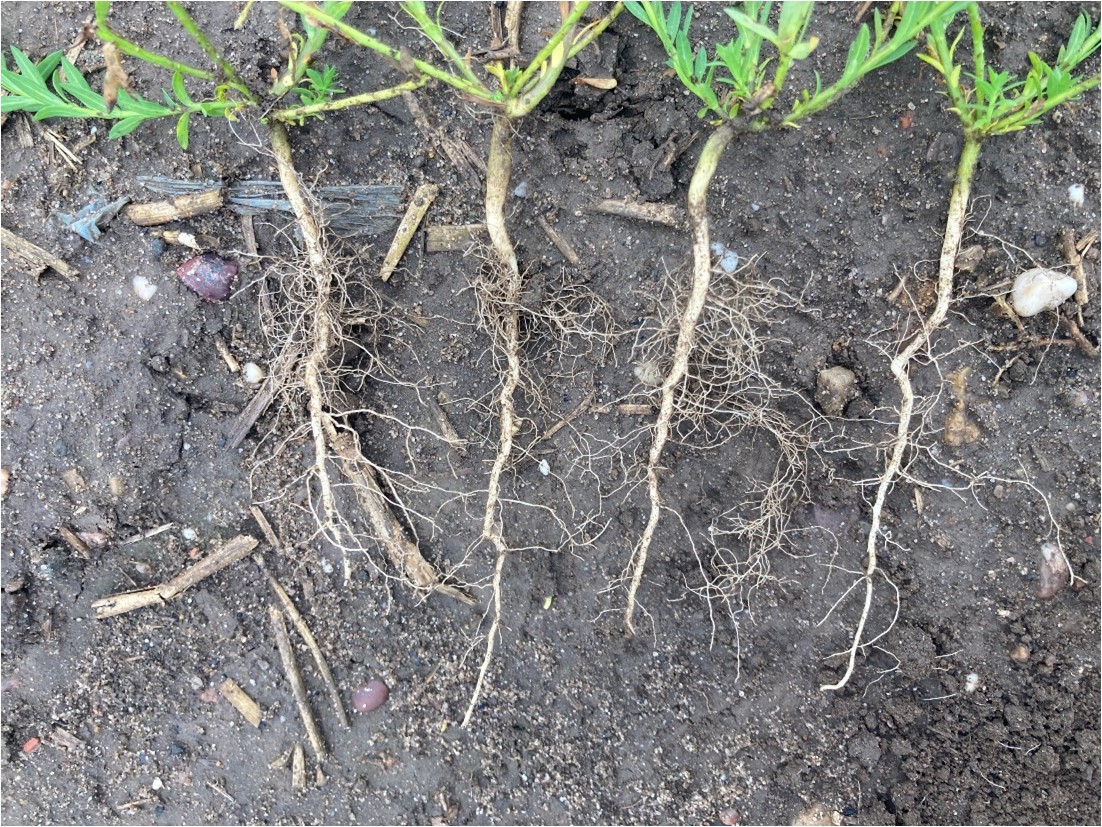
Soil health can be assessed through three main types of testing:
Regular testing is vital. Without measurement, problems go unnoticed and progress can't be tracked.
Several practices contribute to healthier soils:

Linseed stands out for its positive impact on soil biology and structure:
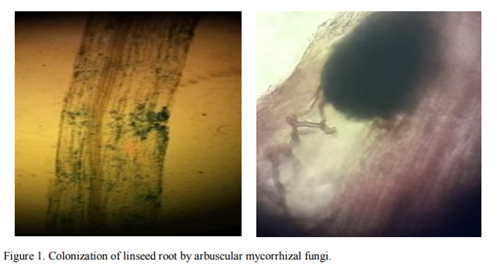
Lab studies have confirmed linseed’s ability to support AMF colonisation, reinforcing its value as a soil-friendly crop.
Choosing linseed isn’t just about market opportunities - it’s a strategic decision for improving soil health and building resilient rotations.
Premium Crops continues to support growers with expert advice and high-quality linseed varieties that deliver agronomic and environmental benefits.
References
How to maintain the health of your soils | Farm Contractor & Large Scale Farmer
Premium Crops are the UK’s largest specialist arable merchant. We sell seed, provide purchase contracts and offer a range of agronomical and logistical services alongside.
Tel: 02392 632883
info@premiumcrops.com
|
|
|
|
